Neurocognitive Peptides: Semax, Selank, and Emerging Research in Brain Health (2026 Update)
Fact Checked By
Dr. Alistair J. Vance, PhDSenior Research Fellow, Peptide Synthesis & Metabolic Pathways · PhD Biochemistry
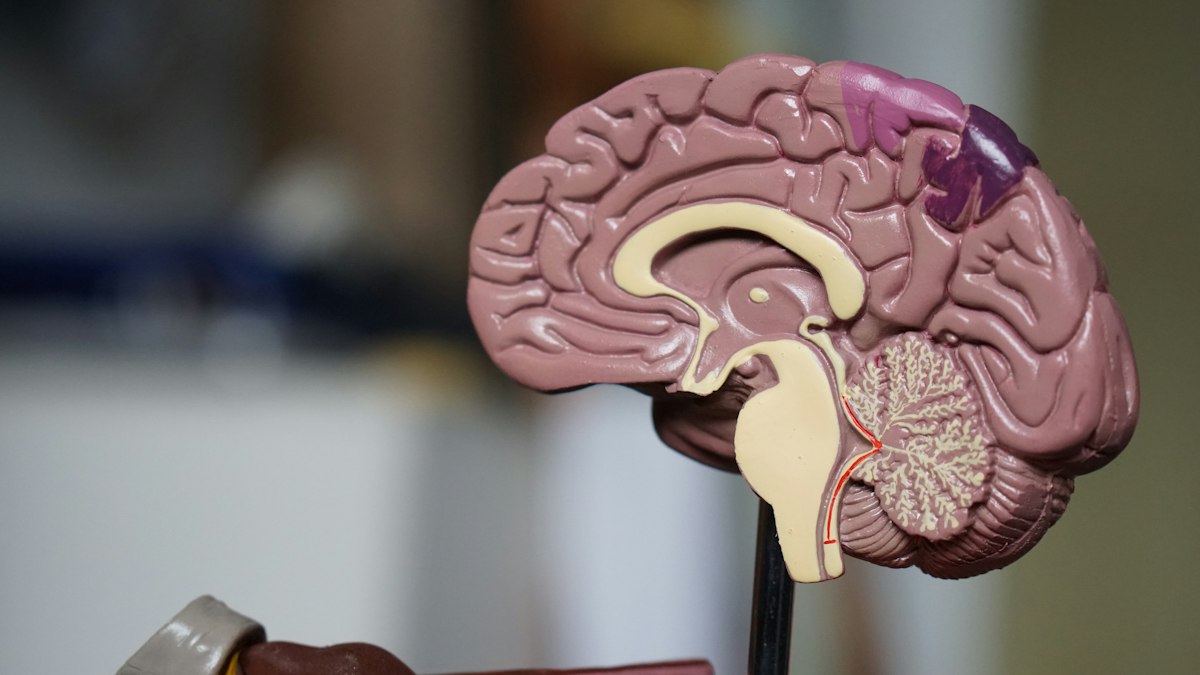
In the expanding landscape of research peptides, compounds that influence central nervous system function have attracted sustained laboratory interest. Semax and Selank, two synthetic heptapeptides developed through Russian scientific programs, stand out for their distinct yet potentially complementary profiles in neurocognitive and neuroprotective investigations. While much of the current peptide research focuses on metabolic regulation and tissue repair, these molecules offer a window into mechanisms supporting neuronal survival, synaptic plasticity, cognitive performance, and emotional balance. As of 2026, ongoing preclinical work and analyses of earlier clinical observations continue to refine our understanding of how they interact with neurotrophic systems, neurotransmitter pathways, and stress-related biology. This article provides an in-depth examination of their mechanisms, key research findings, and relevance for laboratory study.
Understanding Semax and Its Neurotrophic Mechanisms
Semax is a synthetic analogue of the adrenocorticotropic hormone fragment ACTH(4-10), stabilised by the addition of a Pro-Gly-Pro sequence. Researchers have extensively studied its capacity to modulate neurotrophic factor expression and support neuronal resilience, particularly in models of ischemia, hypoxia, and cognitive challenge. One of the most consistently reported actions involves rapid upregulation of brain-derived neurotrophic factor (BDNF) and nerve growth factor (NGF). In rat hippocampal tissue, a single administration has been linked to increased BDNF protein levels accompanied by enhanced tyrosine phosphorylation of the TrkB receptor, the primary receptor for BDNF. These changes coincide with elevated mRNA expression for specific BDNF exons and TrkB itself, suggesting Semax influences both ligand availability and receptor sensitivity.
The temporal pattern of these effects appears region-specific and time-dependent. Studies have documented increases in BDNF and NGF gene expression in the frontal cortex and hippocampus at various intervals following administration, with some reports noting an initial dip in certain areas followed by later elevation. This dynamic regulation is thought to contribute to improved neuronal survival and synaptic plasticity through downstream signalling cascades, including MAPK/ERK and PI3K/Akt pathways. Additional observations indicate that Semax can influence dopaminergic and serotonergic transmission and reduce certain inflammatory mediators, such as nitric oxide, in ischemic conditions.
Preclinical models have provided substantial support for cognitive and protective effects. In paradigms assessing active avoidance learning and memory under stress, Semax administration has been associated with enhanced performance. In focal cerebral ischemia models, it has demonstrated the ability to promote neuron survival and improve functional outcomes even when administered after the ischemic event.
Recent work has extended investigation into neurodegenerative models. A 2025 study using transgenic Alzheimer's disease mice reported that intranasal Semax improved performance across several cognitive tasks. Separate investigations have suggested potential antioxidant effects in systems involving amyloid-beta and copper-induced oxidative stress. As researchers continue to probe these pathways in 2026, Semax remains a focal point for studies examining the intersection of neurotrophic support, oxidative balance, and cognitive resilience.
Understanding Selank and Its Anxiolytic Mechanisms
Selank is a heptapeptide derived from the immunomodulatory peptide tuftsin with a stabilising Pro-Gly-Pro tail. It has been investigated primarily for its anxiolytic and stress-modulating characteristics alongside nootropic qualities. Its profile differs markedly from Semax, with research emphasising GABAergic modulation, monoamine regulation, and effects on stress-responsive systems.
Mechanistic studies point to positive allosteric modulation of GABA-A receptors as a central pathway. Supporting evidence comes from gene expression analyses in rat frontal cortex, where intranasal Selank altered dozens of neurotransmission-related genes within one to three hours. These time-dependent alterations suggest both immediate receptor-level effects and longer-term adjustments in inhibitory tone and synaptic function.
Preclinical behavioural studies have demonstrated anxiolytic effects across multiple models without impairing motor function or inducing sedation. Nootropic benefits appear particularly evident in stress-impaired learning paradigms, where Selank has facilitated memory formation and cognitive performance.
Clinical exploration in Russia has focused on generalised anxiety disorder and neurasthenia. Studies have reported efficacy comparable to certain tranquilizers, with favourable tolerability regarding withdrawal and cognitive side effects.
Complementary Research Potential of Semax and Selank
Although Semax and Selank target overlapping aspects of brain function, their primary emphases differ in useful ways for experimental design. Semax research tends to highlight neurotrophic upregulation and neuroprotection, while Selank investigations centre more on anxiolytic mechanisms and stress buffering. Some researchers have explored their combined use to address both cognitive performance and emotional regulation within the same experimental framework.
Practical Considerations for Laboratory Investigation
When incorporating Semax or Selank into research protocols, both peptides are typically studied via intranasal administration in animal models. They are supplied in lyophilised form for stability. Proper refrigerated storage and standard peptide handling protocols help maintain activity. As with all research compounds, purity, consistent sourcing, and full compliance with local regulations are essential. These peptides are strictly for laboratory and research use only.
Conclusion and Future Directions
Semax and Selank continue to serve as valuable tools for investigating the molecular foundations of cognition, neuroprotection, and emotional regulation. The growing mechanistic data around BDNF/TrkB signalling for Semax and GABAergic gene modulation for Selank, along with recent 2025 studies, highlight that these compounds remain active and promising areas of neurocognitive research.
This article is for educational and research purposes only. Semax and Selank are research chemicals and are not approved for human use. Always adhere to applicable regulations and institutional guidelines when conducting laboratory studies.
Dr. A. Richardson
Chief Scientific Officer, BSc (Hons) Biochemistry, PhD Peptide Chemistry
Dr. Richardson holds a PhD in Peptide Chemistry from the University of Edinburgh and has over 15 years of experience in peptide synthesis and quality assurance research.
View credentialsThis article is for informational purposes only and does not constitute medical advice. All referenced products are for laboratory research use only.

